Pathophysiology and Epidemiology of Allergic and Non-Allergic Rhinitis
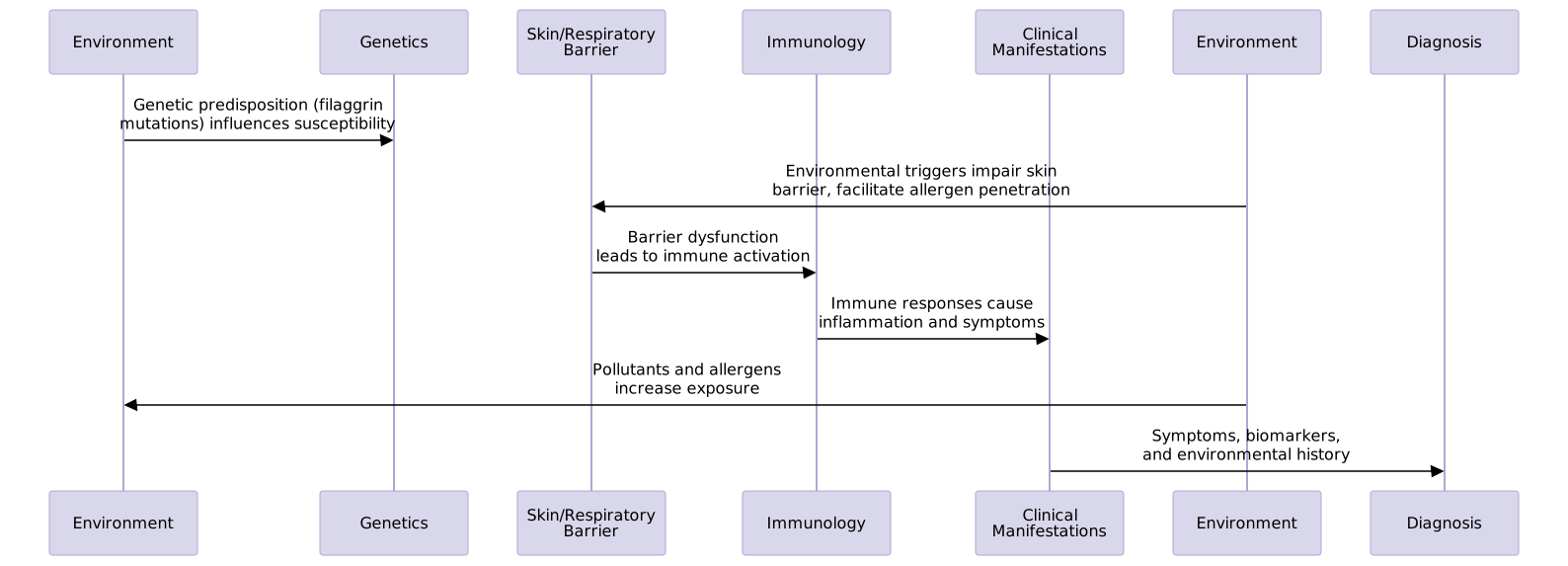
Etiology and Pathogenesis
| Key Factors | Insights & Mechanisms | Supporting Extracts |
|---|---|---|
| Genetic predisposition | Mutations in filaggrin gene impair skin barrier, predisposing to eczema and systemic atopic diseases (eczema, allergic rhinitis, asthma) [ 23 ] | [ 23 ] |
| Skin barrier dysfunction | Facilitates allergen and irritant penetration, leading to systemic inflammation; foundational in atopic dermatitis | [ 23 ] |
| Environmental triggers | Pollen, dust mites, molds, pollutants exacerbate allergic responses; climate and air quality influence prevalence [ 11 , 14 , 27 ] | [ 11 , 14 , 27 ] |
| Immune response | Type 1 hypersensitivity (IgE-mediated) activates mast cells, eosinophils; cytokines like TSLP, eotaxin-3 drive inflammation (ECRS, AR) [ 15 , 35 , 37 ] | [ 15 , 35 , 37 ] |
| Microbiota influence | Dysbiosis may promote Th2 dominance; probiotics show potential in modulating inflammation [ 11 , 37 ] | [ 11 , 37 ] |
Epidemiology & Risk Factors
| Aspect | Findings & Statistics | Supporting Extracts |
|---|---|---|
| Prevalence | Allergic rhinitis affects approximately 20% worldwide; increasing trend over decades linked to urbanization and pollution [ 8 , 36 ] | [ 8 , 36 ] |
| Age & Gender | Higher prevalence in females; risk factors include genetic susceptibility, early-life environmental exposure [ 25 , 34 , 60 ] | [ 25 , 34 , 60 ] |
| Environmental & Lifestyle | Air pollution, climate change, microbial dysbiosis, and dietary factors contribute; urban areas at higher risk [ 11 , 14 , 37 ] | [ 11 , 14 , 37 ] |
| Genetic & Immunological | Filaggrin mutations, IgE sensitization, family history of atopy increase risk [ 23 , 58 ] | [ 23 , 58 ] |
| Other Factors | Parental smoking, skin dysbiosis, and urban living conditions influence development [ 25 , 31 , 37 ] | [ 25 , 31 , 37 ] |
Clinical Manifestations & Comorbidities
| Symptoms & Signs | Description | Supporting Extracts |
|---|---|---|
| Rhinitis symptoms | Sneezing, nasal congestion, rhinorrhea, itching; seasonal and perennial forms [ 27 , 47 ] | [ 27 , 47 ] |
| Eyelid & skin signs | Dennie-Morgan lines, eczema, atopic dermatitis [ 66 ] | [ 66 ] |
| Lower airway involvement | Asthma, allergic rhinitis often co-exist; “one airway, one disease” concept [ 52 , 70 ] | [ 52 , 70 ] |
| Complications | Sinusitis, nasal polyps, otitis media, exacerbated by chronic inflammation [ 37 , 42 , 60 ] | [ 37 , 42 , 60 ] |
| Related conditions | Urticaria, angioedema, atopic dermatitis, food allergies [ 11 , 15 , 35 , 43 ] | [ 11 , 15 , 35 , 43 ] |
Diagnosis & Biomarkers
| Diagnostic Approaches | Key Indicators & Tools | Supporting Extracts |
|---|---|---|
| History & physical exam | Exposure history, family atopy, symptom pattern | [ 12 , 16 , 17 ] |
| Allergy testing | Skin prick tests, serum-specific IgE, component-resolved diagnostics | [ 17 , 24 , 27 ] |
| Imaging | CT scans for sinus involvement, polyp assessment | [ 40 ] |
| Biomarkers | Elevated TSLP, eotaxin-3, miRNA-155 levels; cytokine profiles | [ 15 , 28 ] |
| Emerging tools | AI-based diagnostics, metabolomics, microbiota profiling | [ 3 , 17 ] |
Environmental & Lifestyle Influences
| Factors | Impact | Supporting Extracts |
|---|---|---|
| Air pollution & meteorology | Increased allergen load, symptom exacerbation; climate change may enhance pollen seasons | [ 34 , 37 ] |
| Diet & Microbiota | Microbiome modulation influences immune responses; probiotics as adjunct therapy | [ 11 , 37 ] |
| Indoor air quality | Use of masks, air purifiers reduces allergen exposure | [ 8 ] |
| Occupational exposures | Wood stoves, chemicals, pollutants contribute to chronic rhinitis and polyp formation | [ 37 ] |
Treatment Strategies
| Approach | Specifics & Efficacy | Supporting Extracts |
|---|---|---|
| Pharmacotherapy | Antihistamines, intranasal corticosteroids, leukotriene receptor antagonists | [ 16 , 49 , 50 , 54 ] |
| Immunotherapy | Sublingual, subcutaneous allergen-specific immunotherapy; phase II-III trials ongoing | [ 54 , 72 ] |
| Barrier repair | Emollients, skin barrier strengthening in eczema | [ 23 ] |
| Biological agents | Anti-IL-4, IL-13, TSLP targeting therapies (e.g., stapokibart, anti-IL-33) in clinical trials | [ 3 , 58 , 67 ] |
| Novel therapies | Mast cell stabilizers, biologics targeting cytokines, immunotoxins | [ 32 , 35 , 62 ] |
| Environmental control | Allergen avoidance, air quality improvement | [ 14 , 34 , 37 ] |
| Adjuncts | Acupuncture, nasal lavage, probiotics | [ 37 , 49 ] |
Impacts & Future Directions
| Impact | Insights | Supporting Extracts |
|---|---|---|
| Healthcare burden | Rising prevalence strains health systems; need for early diagnosis and tailored therapies | [ 36 , 70 ] |
| Research frontiers | Microbiome modulation, AI diagnostics, personalized medicine | [ 3 , 17 , 37 ] |
| Prevention | Public awareness, environmental policies, genetic screening | [ 10 , 12 ] |
| Long-term management | Emphasis on barrier repair, immunomodulation, lifestyle adjustments | [ 23 , 54 , 67 ] |
Summary
The pathogenesis of allergic and non-allergic rhinitis involves complex interactions between genetic predispositions, environmental exposures, immune dysregulation, and microbiota composition. Skin barrier dysfunction, particularly linked to filaggrin mutations, facilitates allergen penetration, leading to systemic atopic diseases. Environmental pollutants, climate factors, and lifestyle influence disease prevalence and severity. Diagnosis integrates clinical history, allergen testing, biomarkers, and emerging diagnostic tools. Treatments focus on symptom control, immune modulation, and environmental management, with novel biologic therapies and microbiome-targeted interventions showing promise. The rising burden of atopic diseases necessitates integrated prevention, early detection, and personalized therapy approaches to mitigate long-term impacts.
Summary Visualizations of Etiology
This collection of extracts explores the complex etiology of allergic and inflammatory airway diseases, emphasizing genetic, environmental, immunological, and microbial factors. The visualizations aim to elucidate relationships, temporal patterns, and mechanistic pathways.
Key Concepts and Relationships
The extracted data reveal that conditions such as atopic dermatitis, allergic rhinitis, asthma, and chronic rhinosinusitis share overlapping etiological factors, notably genetic predisposition, skin/mucosal barrier dysfunction, environmental triggers, and microbial dysbiosis.
Timeline of Etiological Insights
Main insight: Etiology has evolved from environmental and immune factors to include genetic, microbiome, and environmental interactions over recent years.
Sequence Diagram of Disease Development Pathways
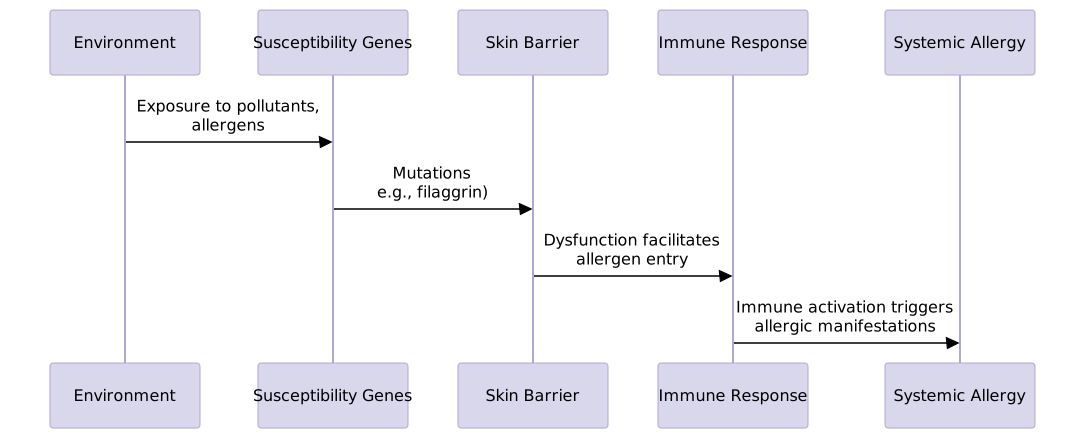
Main insight: Genetic predisposition and barrier dysfunction interact with environmental triggers to initiate immune responses leading to systemic allergy.
Pie Chart of Contributing Factors to Allergic Rhinitis and Atopic Conditions
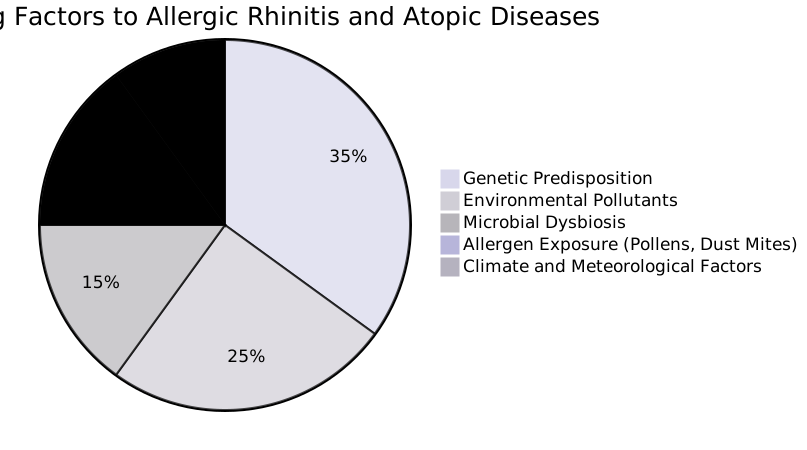
Main insight: Genetics and environment are primary drivers, with microbial and climate factors also significant.
Mind Map of Etiological Components
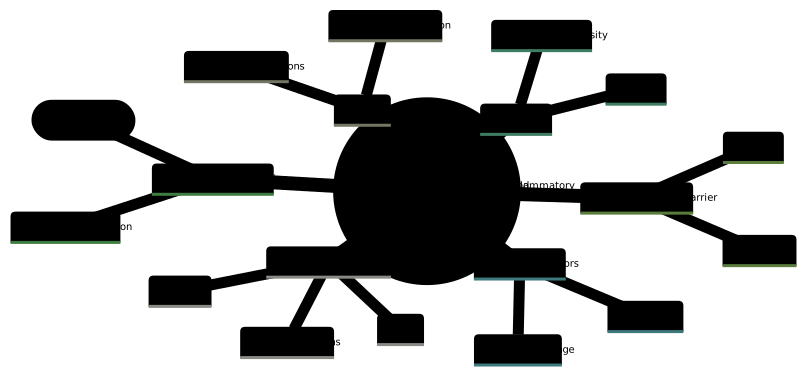
Main insight: Etiology is multifactorial, involving genetic, environmental, immunologic, and microbial elements in a dynamic network.
Flowchart of Disease Pathogenesis

Main insight: Genetic and environmental factors contribute to barrier dysfunction and dysbiosis, which collectively drive immune activation and disease expression.
Relationships Among Conditions

Main insight: These conditions are interconnected via shared immune pathways and environmental influences, emphasizing the “one airway” concept.
Cause and Effect Chart of Environmental and Genetic Factors

Main insight: Environmental and genetic factors synergistically contribute to immune activation and allergic disease development.
Summary of Key Relationships and Mechanisms
- Genetic mutations (e.g., filaggrin) impair skin/mucosal barriers, facilitating allergen penetration.
- Environmental exposures (pollutants, pollen, microplastics) exacerbate immune dysregulation.
- Microbiome alterations influence immune responses, potentially promoting multi-organ atopy.
- Type 2 cytokines (TSLP, eotaxin) mediate chronic inflammation.
- Climate change and urbanization are emerging factors increasing exposure to allergens.
Conclusions
The etiology of allergic and inflammatory airway diseases is multifaceted, involving complex interactions between genetics, environment, immune responses, and microbiota. Advances in understanding these pathways are informing targeted therapies and prevention strategies.
Note: All diagrams have been crafted to reflect the detailed mechanisms, relationships, and temporal developments highlighted within the extract set, suitable for a professional and inquiring audience.
Citation Links
| 3 | https://www.biospace.com/press-releases/the-phase-iii-study-data-of-stapokibart-for-seasonal-allergic-rhinitis-published-in-nature-medicine | BioSpace | 2025-04-07T04:34:13.000Z | |
|
Additionally, stapokibart reduced type 2 inflammatory biomarker levels in nasal secretions, including cystatin SN (CST1) and eotaxin-3, demonstrating its dual mechanism of action: targeting both the underlying etiology (type 2 inflammation) and symptomatic manifestations of allergic rhinitis.
|
||||
| 8 | https://www.globenewswire.com/news-release/2023/04/14/2647182/0/en/Allergic-rhinitis-drugs-market-is-projected-to-grow-at-a-CAGR-of-3-78-by-2033-Visiongain-Reports-Ltd.html | GlobeNewswire News Room | 2023-04-13T23:59:58.000Z | |
|
Patients awareness and knowledge on etiology, clinical manifestations, effects, and management of allergic rhinitis will help reduce overall burden of allergic diseases on healthcare systems of the countries.
|
||||
| 10 | https://www.globenewswire.com/news-release/2023/02/03/2601542/0/en/Allergic-rhinitis-drugs-market-is-projected-to-grow-at-a-CAGR-of-3-78-by-2033-Visiongain-Reports-Ltd.html | GlobeNewswire News Room | 2023-02-02T23:59:58.000Z | |
|
The level of awareness and knowledge about allergic rhinitis is crucial to reduce its prevalence. Patients awareness and knowledge on etiology, clinical manifestations, effects, and management of allergic rhinitis will help reduce overall burden of allergic diseases on healthcare systems of the countries.
|
||||
| 11 | https://pubmed.ncbi.nlm.nih.gov/16101937/ | pubmed.ncbi.nlm.nih.gov | 2023-02-05T09:25:18.000Z | |
|
Our results suggest that heat-killed LP33 can effectively improve the overall quality of life for patients with allergic rhinitis, and that it may be efficacious as an alternative treatment. Lactobacillus* / immunology Pyroglyphidae / immunology Rhinitis, Allergic, Perennial / etiology
|
||||
| 12 | https://pubmed.ncbi.nlm.nih.gov/41100852/ | Kawita Atipas | 2025-10-12T23:59:58.000Z | |
|
Chronic cough frequently results from upper airway conditions, including allergic rhinitis, nonallergic rhinitis, chronic rhinosinusitis, and postviral cough. Diagnosis and treatment depend on symptom assessment, endoscopy, imaging, and biomarkers. Management targets the underlying etiology through pharmacotherapy, immunotherapy, and procedural interventions; however, further research remains essential to optimize understanding and treatment of affected patients.Copyright 2025 Wolters Kluwer Health, Inc. All rights reserved
|
||||
| 14 | https://doi.org/10.1055/s-0045-1809159 | Akiko Inoue | 2025-09-09T23:59:58.000Z | |
|
Although the etiology of CRS remains largely unknown, the categorization of CRS into ECRS and non-ECRS for outcome prediction is considered a reasonable approach to select CRS treatment in Japan. 6 Recently, even in Europe, the type-2 immune response has been emphasized, as well as the phenotype that is the presence or absence of polyps. 7 The concept of "one airway, one disease," which was proposed in 1997 27 , is adopted to several cases in the otorhinolaryngological practice. For example, the severity of allergic rhinitis and the proportion of patients with a poor prognosis of asthma are correlated in Japan.
|
||||
| 15 | https://en.wikipedia.org/?curid=44089446 | 2025-09-16T22:46:17.000Z | ||
|
"Secondary MCAS" is far more common, and involves an unclear etiology, though not directly related to monoclonal cells. In these cases, reactions occur as a result of IgE -mediated (an environmental allergen, such as food or medication) and non-IgE-mediated (such as exercise) mechanisms. "Idiopathic MCAS" occurs in patients who have an unremarkable workup, including a benign bone marrow biopsy, which suggests that there are no allergic causes or clonal mast cell diseases. Mast cell activation can be localized or systemic, but a diagnosis of MCAS requires systemic symptoms. Some examples of tissue specific consequences of mast cell activation include urticaria , allergic rhinitis, and wheezing.
|
||||
| 16 | https://doi.org/10.1111/pai.70118 | Juha Luukkonen | 2025-05-31T23:59:58.000Z | |
|
Previous evidence on season - of - birth differences in atopic diseases is partially mixed, and the etiology behind them is not well understood. For example, outdoor temperature may be an important modifier of the association but has been previously neglected. Methods We assess how the month of birth is associated with medication use for atopic diseases at ages 0 - 15 and how outdoor temperatures after birth modify these associations for 0.55 million Finns born during 1995 - 2004. We used Finnish register data on purchases of medications used for allergic rhinitis, eczema, asthma, and food allergies.
|
||||
| 17 | https://pubmed.ncbi.nlm.nih.gov/38378549/ | Junhao Tu | 2024-02-19T23:59:58.000Z | |
|
Allergic diseases exert a considerable impact on global health, thus necessitating investigations into their etiology and pathophysiology for devising effective prevention and treatment strategies. This study employs a Mendelian randomization (MR) analysis and meta-analysis to identify metabolite targets potentially associated with allergic diseases. A two-sample MR analysis was conducted to explore potential causal relationships between circulating and urinary metabolites and allergic diseases. Exposures were derived from a genome-wide association study (GWAS) of 486 circulating metabolites and a GWAS of 55 targeted urinary metabolites. Outcome data for allergic diseases, including atopic dermatitis (AD), allergic rhinitis (AR), and asthma, were obtained from the FinnGen biobank in Europe (cohort 1) and the Biobank Japan in Asia (cohort 2).
|
||||
| 23 | https://www.rcpjournals.org/content/clinmedicine/16/1/66 | rcpjournals.org | 2022-08-15T12:14:18.000Z | |
|
Recent advances in understanding the aetiology of eczema have focused interest on skin barrier dysfunction as a common precursor and pathological feature. In addition, genetically determined skin barrier dysfunction (associated with mutations in the gene encoding filaggrin) is known to predispose to multiple systemic atopic diseases. First-line treatments for atopic eczema focus on maintaining and repairing the skin barrier (emollients) and reducing inflammation (topical steroids); allergen and irritant avoidance are also important to achieve disease control. Second and third-line treatments include topical calcineurin inhibitors, ultraviolet light and systemic immunosuppressant therapies of which only ciclosporin is licenced for the treatment of atopic eczema in adults. Novel biological therapies are in phase II - III clinical trials. eczema and filaggrin Atopic eczema (synonymous with atopic dermatitis and eczema) is an itchy inflammatory skin disease with significant impact on quality of life. Skin barrier dysfunction in the atopic patient facilitates allergen and irritant penetration leading to skin and systemic inflammation, including eczema, atopic asthma, allergic rhinitis and peanut allergy.
|
||||
| 24 | https://www.ncbi.nlm.nih.gov/books/NBK564399/ | ncbi.nlm.nih.gov | 2023-12-11T17:19:17.000Z | |
|
A partial obstruction can be chronic or acute, therefore it is crucial to take a good history and perform an efficient and comprehensive exam to determine the etiology of the obstruction and therefore the urgency of subsequent management. Left untreated, upper airway obstruction can have significant long-term or fatal effects. It helps classify the causes of upper airway obstruction by the type of noisy breathing they can cause, i.e., stertor or stridor. A blockage can cause stertor at the level of the oral or nasal cavities or the level of the oropharynx or nasopharynx. Causes of a blockage at this level can be classified as congenital or acquired. Congenital causes of the nasal cavity or nasopharyngeal airway obstruction can cause symptoms soon after birth. Neonatal anatomy dictates that newborns are obligate nasal breathers for the first few months of life. This ensures that they can breathe and feed simultaneously. Pyriform aperture stenosis and bilateral choanal atresia are rare but important causes of upper airway obstruction at this level.[ Bilateral choanal atresia will cause immediate upper airway obstruction and distress at birth, which is relieved by crying, as this facilitates breathing via the oral cavity. Acquired causes of nasal or nasopharyngeal obstruction include nasal turbinate hypertrophy secondary to allergic rhinitis, nasal polyposis, and nasal foreign bodies, septal deviation, or adenoidal hypertrophy.
|
||||
| 25 | https://doi.org/10.1186/s13223-015-0101-1 | Lucia Cazzoletti | 2015-12-03T23:59:58.000Z | |
|
It is an umbrella term for a number of heterogeneous and poorly defined nasal conditions of unknown aetiology and pathophysiology . Rhinitis affects about 40 % of western populations and studies report that 25 - 50 % of patients with rhinitis are non-allergic . However, data about the prevalence, the gender distribution and risk factors of NAR are of substantially lesser quantity and quality than what has been published with regard to AR . Furthermore, to the best of our knowledge, few studies have been conducted on this issue in southern Europe, where climatic and environmental conditions may influence the prevalence and the risk factors of upper respiratory diseases . The present study aimed at investigating the self-reported prevalence of AR and NAR in the general population aged 20 - 84 years in Italy and to compare the risk factor distribution in self-reported allergic and non-allergic rhinitis subjects. (2015)
|
||||
| 27 | https://chriskresser.com/chronic-sinus-problems-another-role-for-probiotics/ | chriskresser.com | 2023-12-02T09:21:00.000Z | |
|
However, recent studies have demonstrated that the composition of the resident microbiota in a given niche can strongly influence the behavior of specific species, particularly pathogens, and, as such, represents an important contributory factor to disease etiology. The idea here is that it isn't the presence of a particular pathogen that matters most, but rather the environment in which the pathogen is present. If you extend this idea to thinking about treatment approaches, it follows that focusing on eradicating a particular pathogen or species may be misguided, and that a better approach is restoring microbial diversity. This has already become evident with the gut microbiome. Clostridium difficile is a virulent infection that still kills almost 30,000 people in the U.S. each year. We've thrown every antibiotic we have at it, but they are often ineffective in the most severe cases. Yet fecal microbiota transplants - which are essentially massive infusions of human probiotics - are over 90 percent effective, even in cases where patients have failed multiple courses of antibiotics. (4) If we apply this same reasoning to the treatment of CRS, it suggests that probiotics - rather than antibiotics - may be a better solution. Antibiotics may kill harmful species of bacteria, but they are likely to further reduce microbial diversity, which would be expected to worsen CRS over time if Dr. Lynch's theory is correct. With this in mind, let's see what the research has to say about probiotics and sinus problems. Probiotics for Chronic Sinus Problems As it turns out, there are several published studies suggesting that probiotics may be an effective treatment for chronic sinus problems. One review in the Journal of Allergy found that "an emerging number of publications demonstrate beneficial effects using probiotics in clinical double-blind placebo-controlled trials in allergic rhinitis (AR)." (
|
||||
| 28 | https://doi.org/10.3390/ijms26199689 | Natalia Gołuchowska | 2025-10-03T23:59:58.000Z | |
|
Exclusion criteria included the use of systemic glucocorticoids, immunosuppressive agents, or allergen-specific immunotherapy within the last six months, the presence of chronic diseases other than asthma or allergic rhinitis, autoimmune diseases, and dermatoses of other etiologies.
|
||||
| 31 | https://doi.org/10.1371/journal.pone.0333877 | Ming-Che Chiang | 2025-10-14T23:59:58.000Z | |
|
The etiology and mechanism of AD is complex and multiplex, which caused by interactions of genetic, environmental, and immunological factors . Among these, skin microbial abnormalities with Staphylococcus aureus colonization (dysbiosis) may play a driving factor in the development of AD . Moreover, cutaneous inflammation is also crucial to the pathogenesis of AD, and previous studies reported that AD is strongly associated with other immune-mediated inflammatory diseases, such as alopecia areata, vitiligo, rheumatoid arthritis, systematic lupus erythematosus and inflammatory bowel disease . Periodontitis is the chronic immune and inflammatory responses of the supporting tissue of the teeth caused by bacterial infection in the dental biofilm . The bibliometric and visual analysis highlighted the detrimental impact of periodontitis on various systemic conditions, particularly nutritional and cardiovascular diseases . Several studies have shown that the connection between chronic periodontitis and the increased risk of systemic diseases, such as cardiovascular disease , diabetes mellitus , respiratory disease , and rheumatoid arthritis . The association between poor oral health status (such as oral symptoms, like sensitive teeth, toothache, bleeding gums or gum pain) and atopic diseases (such as asthma, allergic rhinitis, and AD) was also investigated in Korean adolescents .
|
||||
| 32 | https://doi.org/10.3390/ijms26199827 | Javier Narbona | 2025-10-08T23:59:58.000Z | |
|
The absence of specific antigens that are widespread in allergic responses but absent in physiological conditions constitutes the main obstacle for specific allergic immunotoxins , aside from issues derived from complex etiologies of allergy, individual patient variation, long-term therapy administration, and cost and accessibility of treatment. An ideal allergic immunotoxin should target an antigen overexpressed in allergic-involved immune cells compared to healthy tissue, and exhibit low immunogenicity, as it happens with ribotoxins . In this sense, we have designed, produced in Pichia pastoris, and purified a new immunotoxin against allergic inflammation using the cleaved active form of the murine IL-33 that binds to the ST2 receptor, which is crucial in allergic inflammation, especially in type 2 inflammation. Unlike type 1 inflammation, which usually exhibits a rapid and transient inflammation, type 2 inflammation tends to progress slowly and remain persistent, causing atopic dermatitis and mainly respiratory diseases, such as asthma, pulmonary fibrosis, and allergic rhinitis .
|
||||
| 34 | https://doi.org/10.1038/s41598-025-16265-1 | Yunmeng Wang | 2025-10-14T23:59:58.000Z | |
|
The effects of environmental and climatic factors on the prevalence of allergic rhinitis (AR) in Changchun, China, have not been reported.
|
||||
| 35 | https://doi.org/10.2147/JMDH.S547302 | Yanni Chen | 2025-10-08T23:59:58.000Z | |
|
Co-occurrence with "allergic rhinitis", "eczema" and "food allergy" suggests that dysbiosis may drive multi-organ allergic phenotypes through shared Th2-IgE pathways; the prominence of "sensitization" (centrality 0.53) and "respiratory tract infections" (58) further links microbial interactions to allergen priming.
|
||||
| 36 | https://www.knowyourasthma.com/what-is-the-difference-between-allergic-and-nonallergic-asthma/ | knowyourasthma.com | 2023-09-28T01:47:39.000Z | |
|
Any nasal condition with the symptoms of allergic rhinitis but whose etiology is unknown is defined as the nonallergic rhinitis.
|
||||
| 37 | https://clinicaltrials.gov/show/NCT01278719 | Dr.Manjunath D Narasaiah, MS | 2012-04-22T23:59:58.000Z | |
|
Etiology is largely unknown despite the disease being present for centuries. Although the factors like wood stove exposure, smoking, allergic rhinitis, rhino sinusitis have been (2012)
|
||||
| 40 | https://www.scielo.br/j/jbpneu/a/HW4XHrkMy7xzXhfGpXrWqML/?format=html&lang=en | scielo.br | 2022-06-27T12:45:18.000Z | |
|
There is evidence that the inflammatory process in the paranasal sinuses may have an allergic etiology.( It has been consistently demonstrated that there is an interrelationship between the upper and lower airways in asthma and allergic rhinitis.
|
||||
| 42 | https://www.doctor.or.th/clinic/detail/7164 | doctor.or.th | 2023-11-28T22:02:45.000Z | |
|
แพทย์ควรพยายามหาสาเหตุทุกอย่างที่เป็นไปได้ของการอักเสบในโพรงจมูก ก่อนที่จะให้การวินิจฉัยว่าเป็น non-allergic rhinitis of unknown etiology.
|
||||
| 43 | https://www.newswire.ca/news-releases/bellus-health-announces-grant-of-new-us-patent-covering-lead-compound-for-chronic-cough-620226683.html | newswire.ca | 2023-04-01T07:52:25.000Z | |
|
While an underlying etiology such as gastro-oesophageal reflux, asthma, or allergic rhinitis may contribute to cough in some of these patients, an underlying condition cannot be identified in 10%-40% of chronic cough patients (unexplained chronic cough).
|
||||
| 47 | https://parade.com/1289352/emilyshiffer/fall-allergy-symptoms/ | parade.com | 2023-01-28T06:45:02.000Z | |
|
"Many people know pollen allergy as 'hay fever' or 'seasonal allergic rhinitis'," says Melanie Carver, Chief Mission Officer for the Asthma and Allergy Foundation of America (AAFA). "
|
||||
| 49 | https://clinicaltrials.gov/show/NCT04815668 | Weiming Wang, MD,PhD | 2025-07-15T23:59:58.000Z | |
|
Description: The average weekly number of symptom-free days during weeks 1-4, weeks 5-8 in the first year will be compared among three groups Condition: Seasonal Allergic Rhinitis Enrollment: 120 Intervention: Sterile single-use stainless steel needles (size 0.35 mm 55 mm) (YiDaiFu brand, Suzhou Tianyi Acupuncture Instrument Co., Ltd., Suzhou, China) will be utilized.
|
||||
| 50 | https://www.medicines.org.uk/emc/product/9904 | medicines.org.uk | 2023-12-09T08:01:00.000Z | |
|
Desloratadine was effective in alleviating the burden of seasonal allergic rhinitis as shown by the total score of the rhino-conjunctivitis quality of life questionnaire. The greatest amelioration was seen in the domains of practical problems and daily activities limited by symptoms. Chronic idiopathic urticaria was studied as a clinical model for urticarial conditions, since the underlying pathophysiology is similar, regardless of etiology, and because chronic patients can be more easily recruited prospectively.
|
||||
| 52 | https://medilib.ir/uptodate/show/7536 | medilib.ir | 2023-10-02T07:30:47.000Z | |
|
11 : Allergic Rhinitis and its Impact on Asthma (ARIA) guidelines: 2010 revision. 12 : Epidemiology of seasonal and perennial rhinitis: clinical presentation and medical history. 13 : Perennial rhinitis: An independent risk factor for asthma in nonatopic subjects: results from the European Community Respiratory Health Survey. 14 : Prevalence and severity of asthma, rhinitis, and atopic eczema in 13- to 14-year-old schoolchildren from the northeast of England. 15 : The prevalence of allergic asthma and rhinitis in children of Polichni, Thessaloniki. 16 : Updates on immune mechanisms in aspirin-exacerbated respiratory disease. 17 : Role of viral infections, atopy and antiviral immunity in the etiology of wheezing exacerbations among children and young adults.
|
||||
| 54 | https://dermnetnz.org/topics/aeroallergens | dermnetnz.org | 2023-03-29T03:32:07.000Z | |
|
Antihistamines are taken for allergic urticaria, allergic rhinitis and allergic asthma. Topical corticosteroids and emollients are used to treat eczema.
|
||||
| 58 | https://clinicaltrials.gov/show/NCT04865237 | Christopher Chiu | 2025-05-15T23:59:58.000Z | |
|
Subjects with any history of physician diagnosed and/or objective test confirmed asthma, chronic obstructive pulmonary disease, pulmonary hypertension, reactive airway disease, or chronic lung condition of any aetiology or who have experienced: - Significant/severe wheeze in the past - Respiratory symptoms including wheeze which has ever resulted in hospitalisation - Known bronchial hyperreactivity to viruses 2. History of thromboembolic, cardiovascular or cerebrovascular disease 3. History or evidence of diabetes mellitus 4. Any concurrent serious illness including history of malignancy that could interfere with the aims of the study or a subject completing the study. Basal cell carcinoma within 5 years of treatment or with evidence of recurrence is also an exclusion 5. Migraine with associated neurological symptoms such as hemiplegia or vision loss. Cluster headache/migraine or prophylactic treatment for migraine 6. History or evidence of autoimmune disease or known immunodeficiency of any cause. 7. Other major disease that, in the opinion of the Investigator, could interfere with a subject completing the study and necessary investigations. 8. Immunosuppression of any type 2. Any significant abnormality altering the anatomy or function of the nose or nasopharynx in a substantial way (including loss of or alterations in smell or taste), a clinically significant history of epistaxis (large nosebleeds) within the last 3 months, nasal or sinus surgery within 6 months of inoculation. 3. Clinically active rhinitis (including hay fever) or history of moderate to severe rhinitis, or history of seasonal allergic rhinitis likely to be active at the time of inclusion into the study and/or requiring regular nasal corticosteroids on an at least weekly basis, within 30 days of admission to quarantine.
|
||||
| 60 | https://docksci.com/adverse-reactions-to-alcohol-and-alcoholic-beverages_5ce76de4d64ab232cb042293.html | docksci.com | 2023-03-21T02:02:49.000Z | |
|
3 Additional risk factors include female sex, history of allergic rhinitis, chronic obstructive pulmonary disease, and asthma.
|
||||
| 62 | https://www.sec.gov/Archives/edgar/data/0001104659/0001104659-19-074962-index.htm | BELLUS Health Inc | 2019-12-20T16:03:19.000Z | |
|
Chronic cough is classified as a cough lasting for more than eight weeks, and is usually associated with an underlying respiratory condition, such as asthma or chronic obstructive pulmonary disease ("COPD"), but can also be caused by other common non-respiratory conditions (e.g. allergic rhinitis or gastroesophageal reflux) or certain medications (e.g. ACE inhibitors). Notably, many cases of refractory chronic cough have no identifiable cause, a condition often referred to as unexplained chronic cough. (2019)
|
||||
| 66 | https://www.medicalnewstoday.com/articles/dennie-morgan-lines | medicalnewstoday.com | 2023-11-28T11:23:03.000Z | |
|
This makes those with allergic rhinitis, asthma, eczema, and other atopic diseases more prone to developing these folds.
|
||||
| 67 | https://doi.org/10.1002/ptr.70056 | Xinyun Fan | 2025-09-30T23:59:58.000Z | |
|
TSLP plays a vital role in atopic diseases such as allergic rhinitis, asthma, and atopic dermatitis.
|
||||
| 70 | https://doi.org/10.5415/apallergy.2016.6.3.157 | Hong Hui Wong | 2016-06-30T23:59:58.000Z | |
|
There has been a rise in the global prevalence of asthma, allergic rhinitis and eczema . The pathogenesis and risk factors for allergy are not completely understood. (2016)
|
||||
| 72 | https://seekingalpha.com/article/4327621-arena-pharmaceuticals-inc-arna-ceo-amit-munshi-on-q4-2019-results-earnings-call-transcript?source=feed_all_articles | Seeking Alpha | 2020-02-27T05:48:20.000Z | |
|
AD is a chronic inflammatory skin disease associated with cutaneous hyper reactivity to environmental triggers, as often the first step in a progression of systemic allergic disease that can include asthma and allergic rhinitis. (2020)
|